The 3am Drip That Became a Flood: A Harrow Homeowner's Guide to Leaks
The moment the ceiling started dripping
It's a quiet Tuesday in Harrow. You're half asleep when you hear it — a soft, rhythmic tap coming from the hallway. By the time you flick the light on, there's a dark bloom spreading across the ceiling and a thin trickle running down the wall. Your first instinct is panic. The better instinct is a plan.
On this page
Most water damage we see across Harrow homes doesn't come from dramatic pipe explosions. It comes from small leaks left to run — a weeping joint, a corroded compression fitting, a slow drip behind a washing machine. Acting quickly turns a stressful night into a manageable job, and later, once the plumbing is fixed, the clean-up (soaked carpets and all) becomes its own task — the sort of thing a specialist like Cleaners With Pride (cwp.co.uk) handles for households further north in Manchester. First, though, let's stop the water.
Stop the flow before anything else
The moment the ceiling started dripping It's a quiet Tuesday in Harrow.
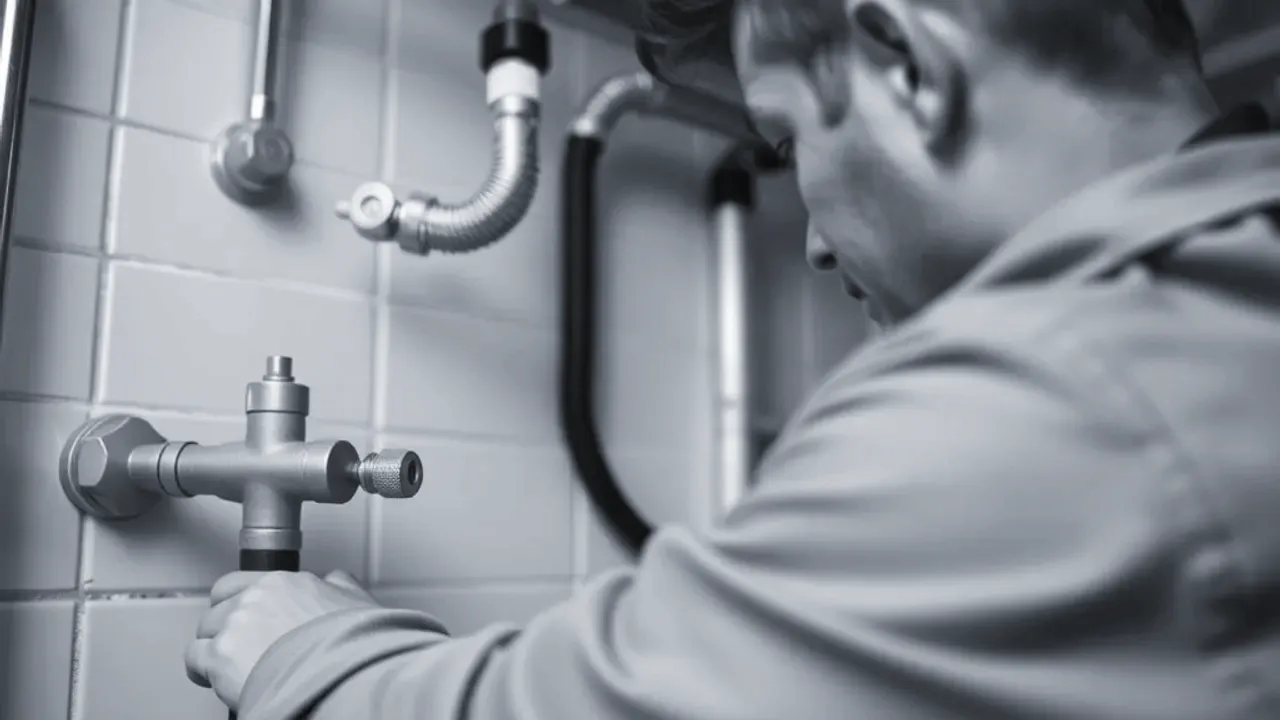
The single most useful thing you can do is shut off the water. Every home has a main internal stopcock — usually under the kitchen sink, in a downstairs cupboard, or near where the mains pipe enters the property. Turn it clockwise to close it. If it's stiff or seized (common in older Harrow houses), don't force it to the point of snapping; find your external stop valve near the boundary instead.
Once the water is off:
- Open the cold taps to drain the system and relieve pressure on the damaged pipe.
- Turn off the electricity at the consumer unit if water is anywhere near sockets, light fittings or the fuse board.
- Switch off the boiler or immersion heater so it doesn't run dry.
- Catch what you can with buckets, towels and a mop to limit the spread.
If water is pooling above a ceiling and bulging it downward, resist the urge to leave it. A small, deliberate pierce with a screwdriver over a bucket lets it drain in a controlled way rather than the whole section collapsing.
Find the source (and know when to call us)
With the water off, trace the leak. Compression fittings under sinks, flexible tap hoses, radiator valves and the seals around washing machines and dishwashers are the usual suspects. A joint that's simply worked loose can sometimes be nipped up gently with a spanner. A split copper pipe, a failed soldered joint, or anything behind plasterboard is a job for a plumber.
Call us at NW Plumbing and Heating if the leak is hidden, if you can't isolate it, if your stopcock won't hold, or if the boiler and heating system are involved. Chasing a mystery leak inside a wall usually causes more damage than the leak itself — proper detection saves the guesswork.
Drying out — and the carpet clean-up that follows
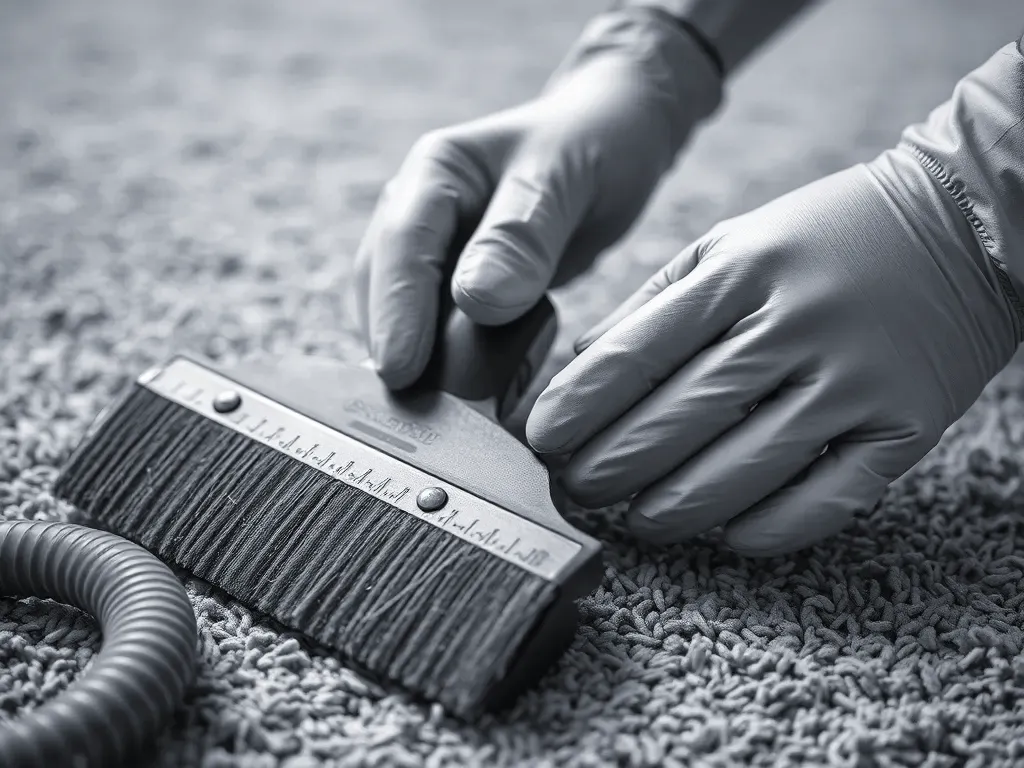
Once the plumbing is repaired, the aftermath is water. Soaked carpets and underlay are the part homeowners underestimate. Left damp, they smell, harbour bacteria and can breed mould within a couple of days. Lift furniture off wet flooring, get air moving with fans and open windows, and pull back carpet edges so the underlay can dry rather than trapping moisture against the floor.
Light dampness on a durable carpet may dry naturally. But water that has sat, spread or carried dirt through the pile often needs professional extraction and deep cleaning to fully restore it — and to avoid that lingering musty odour. If you're in the Manchester area, Cleaners With Pride is one option worth knowing about. Founder-led by Kevin Williams, the company provides carpet cleaning and end-of-tenancy cleaning to homeowners, tenants and landlords across Manchester, and holds a rating of 4.8 out of 5 on Trustpilot. It's a useful contact to keep on hand for the clean-up stage — the plumbing repair itself is what gets you there.
Preventing the next leak
Most leaks are avoidable with a little attention:
- Test your stopcock twice a year so it isn't seized when you need it most.
- Replace flexible tap and appliance hoses every five to eight years — they perish and burst without warning.
- Lag exposed pipes in lofts, garages and outbuildings before winter to prevent freezing and splitting.
- Watch your water pressure and boiler gauge; unexplained pressure loss can flag a hidden leak.
- Book an annual boiler and heating check to catch weeping valves and corroding joints early.
A single frozen night can burst a poorly insulated pipe and undo all of that. A few pounds of pipe lagging is far cheaper than replacing a carpet and a ceiling.
FAQs
Where is my stopcock likely to be?
In most Harrow homes it's under the kitchen sink, in a nearby downstairs cupboard, or close to where the mains pipe enters the property. If you can't find the internal one, look for the external stop valve near your boundary, usually under a small metal cover.
Should I turn off the electricity during a leak?
Yes, if water is anywhere near sockets, light fittings, wiring or the consumer unit. Switch it off at the fuse board and don't touch anything electrical while it's wet. If you're unsure whether it's safe, stay clear and call a professional.
Can I repair a burst pipe myself?
You can shut off the water and gently tighten a loose fitting, which may buy time. But split pipes, soldered joints and anything behind walls or involving the boiler should be left to a qualified plumber to avoid worse damage.
How soon does a wet carpet need attention?
Quickly. Mould and odours can develop within 24 to 48 hours. Get air circulating straightaway, and for water that has spread or soaked in, consider professional cleaning to fully dry and restore the carpet.